TV Cable Management Solutions: A Complete Technical Guide to Clean, Safe Entertainment Setups
Effective tv cable management solutions are no longer optional in modern home entertainment setups. Loose cables trailing across the floor are a leading cause of trip-and-fall injuries and household damage, which makes structured cable organisation a practical safety requirement, not just a cosmetic preference. Whether you are setting up a wall-mounted screen, a full home theatre, or a satellite receiver, the way cables are routed and secured determines both the safety and longevity of your entire system.
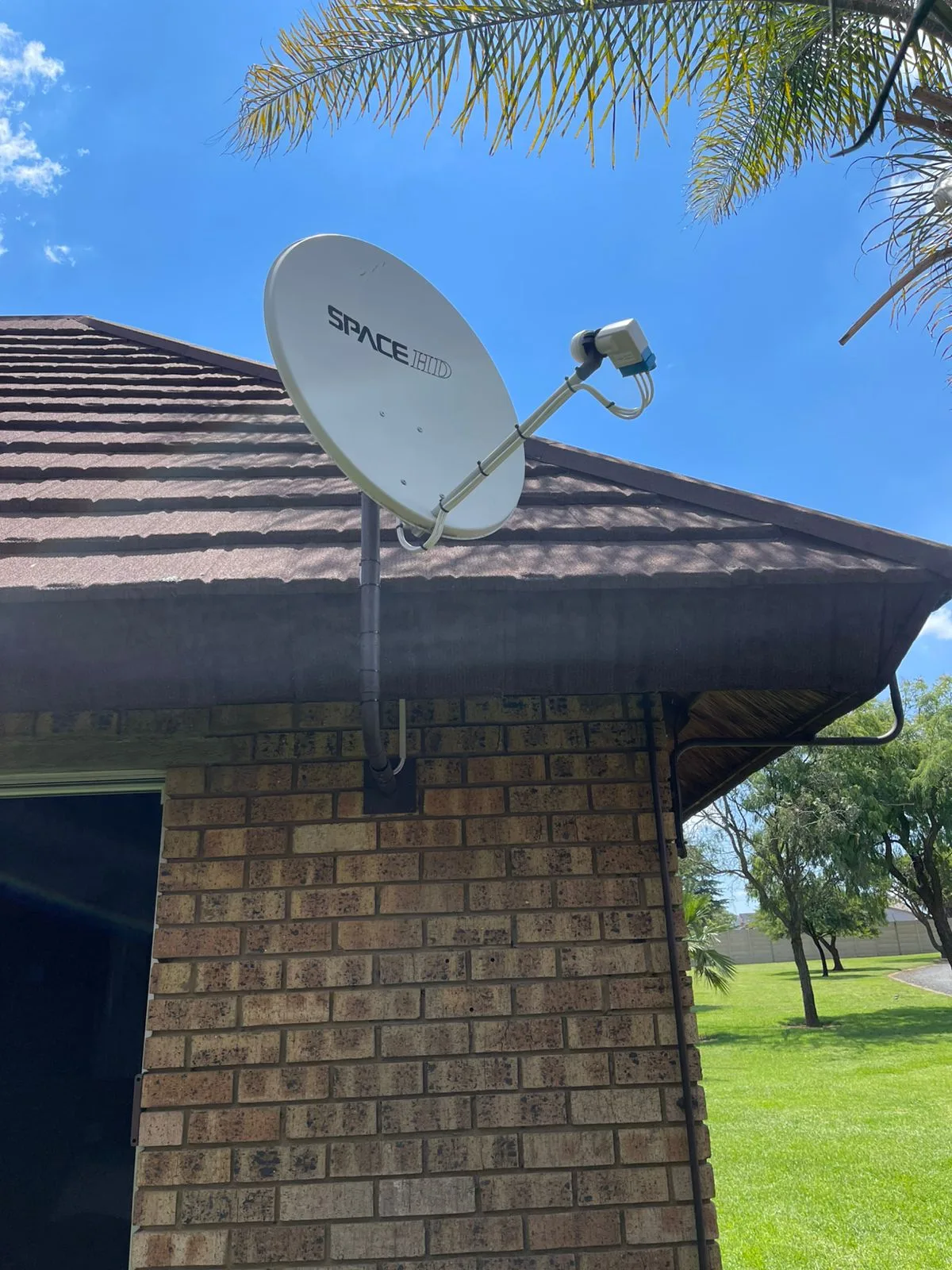
At DSTV Pro Installers, we handle every aspect of cable organisation as part of our professional setup service across 28 Gauteng suburbs. Our technicians integrate proper cable routing directly into every dstv installation we complete, so your system looks clean and performs reliably from day one.
Key Takeaways
- TV cable management solutions reduce safety hazards, improve signal reliability, and protect cables from physical damage over time.
- Concealed cable routing (wall chasing) is the most permanent and aesthetically clean solution for wall-mounted television setups.
- Professional dstv installers integrate cable management as part of the installation process, not as an afterthought.
- Cable raceways, conduit runs, and behind-wall routing are the three main technical approaches to managing TV and decoder cables.
- A qualified dstv technician will assess your wall type, cable lengths, and decoder position before recommending a routing method.
- Proper cable labelling and strain relief at connection points extend the life of coaxial, HDMI, and power cables significantly.
- DSTV Pro Installers serves 28 Gauteng suburbs and can be reached on 077 454 4032 for same-day bookings.
Why TV Cable Management Solutions Matter for Your Home
Unmanaged cables create three distinct problems: physical hazards, signal degradation, and accelerated hardware wear. Coaxial cables bent at sharp angles lose signal strength, while power cables pinched under furniture overheat and become fire risks.
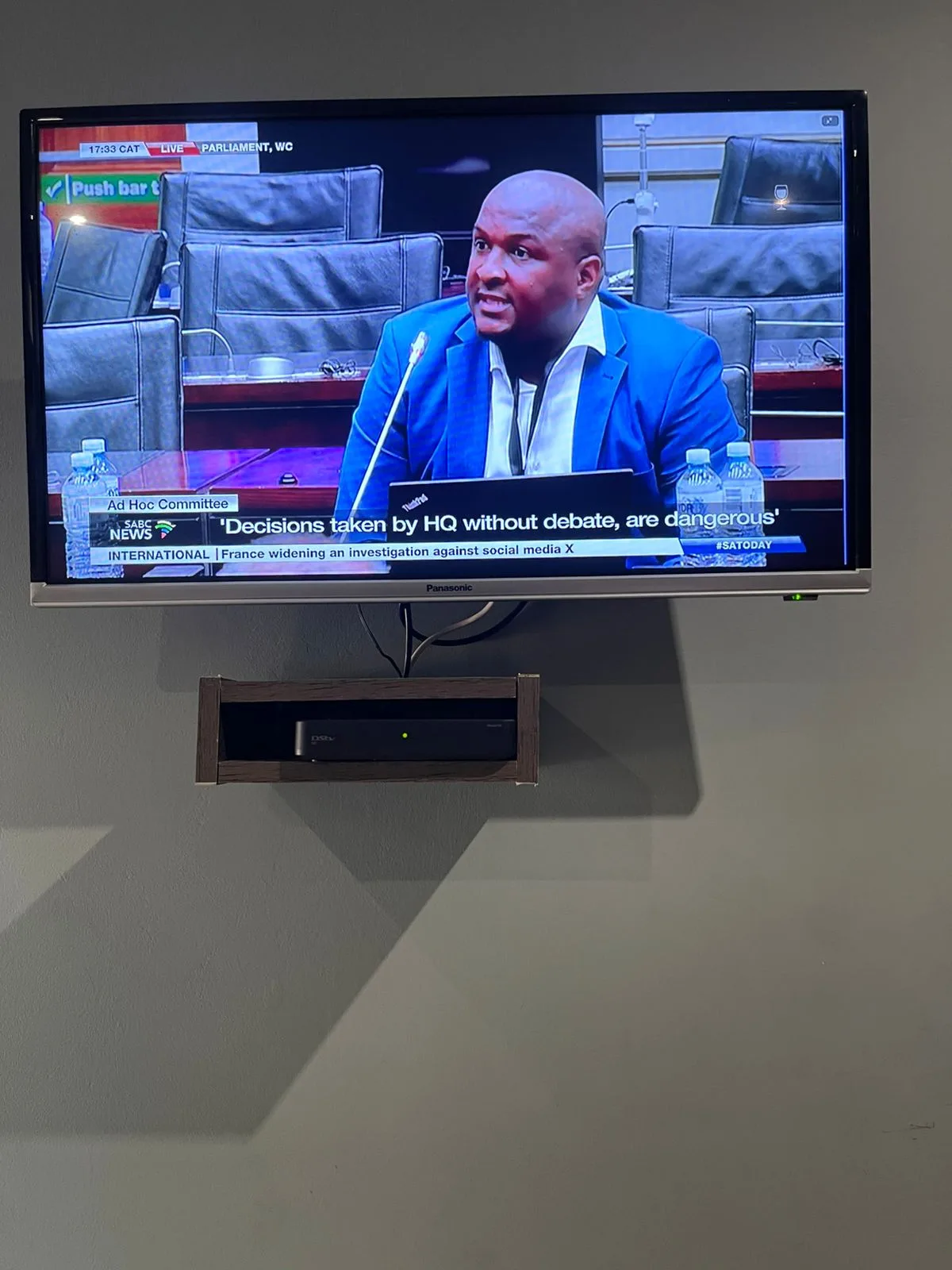
In a typical lounge setup, you can have a coaxial run from the dish, an HDMI cable between the decoder and screen, an optical audio cable to a soundbar, and multiple power cables all converging behind the television. Without structured tv cable management solutions, this becomes a tangled mass that is difficult to diagnose and maintain.
Cable management is also an equipment protection measure. Cables that are properly routed with correct bend radii and secured at regular intervals resist mechanical fatigue, which translates directly into fewer signal faults and connector failures over the life of your system.
Core TV Cable Management Solutions for Every Setup Type
There are several primary techniques used in professional tv cable management solutions, each suited to different wall types, room configurations, and budget requirements. Selecting the correct approach depends on your wall construction, the number of cables involved, and whether the installation is a new build or a retrofit.
The most commonly deployed methods include the following:
- Wall chasing (cable concealment): A channel is cut into the plaster or brick, the cable is routed through conduit inside the channel, and the wall is replastered. This produces a completely invisible cable run and is the preferred method for permanent installations.
- Surface-mounted cable raceways: Plastic or aluminium trunking is fixed to the wall surface and cables are routed inside. This is a non-destructive option suitable for rental properties or tiled walls.
- Structured cable conduit runs: PVC or metal conduit is installed along ceiling voids, under flooring, or within partition walls to carry cables across longer distances while protecting them from physical damage.
- Furniture integration routing: Cables are managed through purpose-built cable holes in TV units and entertainment stands, using grommets and internal management clips to keep routing clean and serviceable.
- Velcro and cable tie bundling: Used where cables run parallel over short distances, bundling reduces the visual and physical footprint of multiple cable runs.
Each of these methods can be combined. A professional dstv installation on a new build, for example, will typically use wall chasing for the coaxial run from the dish to the decoder position, with surface raceways to manage HDMI and audio cables between components on the entertainment unit.
How Professional DSTV Installation Improves Cable Management Outcomes
When dstv installers perform a structured installation, cable management is planned before a single cable is run. The decoder position, dish mounting point, TV bracket height, and cable routing path are all mapped out during the initial site assessment. This prevents the common problem of cables being retrofitted around furniture or cut too short for a clean installation.
Our dstv installation process at DSTV Pro Installers begins with identifying the shortest and most protected cable path from the dish entry point to the decoder. We use correctly sized conduit for the coaxial run, apply proper waterproofing at the wall penetration point, and ensure the interior cable run is either chased or neatly raceways-routed depending on wall construction.
Properly managed cable routing also has a direct impact on signal quality. Coaxial cable that is bent beyond its minimum bend radius, kinked, or compressed under staples will degrade the signal carrying capacity of the cable. A qualified dstv technician understands these tolerances and ensures the cable run maintains integrity from dish to decoder.
TV Cable Management Solutions for Wall-Mounted Screens
Wall-mounted televisions present specific cable management challenges because the screen is fixed and the cables must reach it without being visible. The cleanest solution is an in-wall cable management kit installed at the time of mounting, which routes the HDMI, power, and audio cables through the cavity wall directly to an outlet positioned behind the screen.
For solid brick or concrete walls, the equivalent approach is chasing, where a channel is cut and the cables are run in conduit before the wall is made good. This requires planning the TV bracket position, outlet placement, and entertainment unit location before any wall work begins.
When our dstv technician team mounts a television, we assess the wall type and stud positions before recommending the cable routing approach. This ensures the cables are not run in a way that creates future access problems or requires damage to the wall to change a cable.
The components required for a clean wall-mounted TV cable management setup include the following:
- HDMI cable rated for the screen resolution (4K, 8K) with the correct length for the planned run
- In-wall rated power cable or an in-wall rated power extension specifically approved for recessed installation
- Back boxes or recessed cable management plates at the connection points behind the screen and at the entertainment unit level
- Coaxial cable with correctly fitted F-connectors at both ends, using a proper compression fitting tool
- Cable conduit or trunking for any exposed sections of the run
What to Expect From Accredited DSTV Installers During a Cable Management Job
When you book dstv installers for a combined TV mounting and cable management job, the scope of work covers more than just hanging the screen. The technician will discuss the planned layout with you, confirm the cable routing approach, and identify any structural obstacles such as concrete lintels, waterproofing membranes, or existing conduit runs that affect the installation plan.
The installation sequence for a wall-mounted setup with full tv cable management solutions typically follows this order:
- Confirm TV bracket position and mark wall fixings using a stud detector and spirit level
- Mark the cable routing path from the bracket position to the entertainment unit
- Cut cable management channels or fix raceways along the marked path
- Install back boxes at both connection points (behind screen and at decoder level)
- Route and secure all cables through the planned path
- Make all connections at the screen, decoder, soundbar, and power points
- Test all signal and audio/video connections before making the wall good
- Plaster, paint, or close off the cable management channels
Our dstv installers follow this structured process on every job, which ensures the cable management is completed as part of the installation rather than as a separate task that gets skipped when time runs short.
TV Cable Management Solutions: Routing, Chasing, and Concealment Techniques in Detail
Wall chasing for tv cable management solutions requires specific tools and techniques to produce a clean result. A wall chaser (angle grinder with twin blades set at the correct spacing) is used to cut parallel channels in the plaster or brick at the specified depth for the conduit diameter being used.
The correct conduit specification for satellite coaxial cable is typically 20mm or 25mm PVC conduit, depending on whether single or twin coaxial runs are being installed. For HDMI and low-voltage signal cables, 16mm or 20mm conduit is standard. Power cables routed in walls must use conduit rated for electrical installation and comply with SANS 10142 requirements.
Surface raceway systems are an engineered alternative when chasing is not viable. Modern raceway systems are manufactured in standard wall colours and can be painted to match the wall surface, making them significantly less visible than older white PVC systems. Raceway widths range from 16mm for single HDMI cables up to 100mm for multi-cable commercial runs.
Strain relief is a technical detail that is frequently overlooked in cable management work. At every point where a cable enters a conduit, back box, or device connector, a strain relief fitting or cable grommet should be installed. This prevents the cable jacket from being cut by the edge of the conduit or connector housing when the cable moves, which is a common cause of intermittent signal faults.
How a DSTV Technician Approaches Cable Organisation on Complex Jobs
On installations with multiple screens, a decoder, soundbar, streaming device, and gaming console, the cable count increases significantly. A skilled dstv technician approaches this by first documenting every cable run required, then grouping cables by type (signal, video, audio, power) for routing.
Signal cables (coaxial) should never be bundled with power cables because the electromagnetic field from the power cable induces noise in the coaxial conductor, which reduces signal quality. This is a technical requirement of the cable installation, not a cosmetic preference, and it determines how the cable routes are separated during the chasing or raceways installation.
Labelling is another technical requirement on complex installations. Every cable at both ends should be labelled with a permanent cable marker before the wall is closed up. This allows future fault-finding and modification without requiring destructive investigation of the cable routes.
Our dstv technician team at DSTV Pro Installers uses cable labelling as standard practice on all multi-cable jobs. This adds time to the installation but significantly reduces the cost of any future modification or fault diagnosis.
TV Cable Management Solutions for Home Theatre Setups
Home theatre installations are the most technically demanding cable management environments. A full home theatre setup can include a projector or large-screen television, an AV receiver, a satellite decoder, a streaming device, a Blu-ray player, and up to seven surround sound speaker channels, each requiring its own cable run.
Effective tv cable management solutions for home theatre require a structured approach to cable routing from the equipment rack to each speaker position, the display, and the listening position (for subwoofer and centre channel cables). Floor conduit, ceiling void routing, and skirting-level raceways are all used in combination depending on the room layout.
Key technical specifications for home theatre cable management include the following:
- Speaker cable: Minimum 1.5mm² for runs up to 10m, 2.5mm² for longer runs, in conduit or raceways separated from signal cables
- HDMI cables: Active HDMI cables are required for runs over 10m, with the active end connected to the source device
- Coaxial (satellite): RG6 quad-shield for runs longer than 15m or in environments with high RF interference
- Power distribution: A dedicated power conditioner or distribution board for all AV equipment, with the power cables routed separately from signal and speaker cables
A professional dstv installation integrated into a home theatre setup ensures the satellite signal path is correctly routed and signal-tested before the walls are closed. Signal levels are measured at the decoder input using a signal meter, and any attenuation caused by the cable run length or additional splitters is compensated for with an in-line amplifier if required.
To discuss a home theatre cable management installation across 28 Gauteng suburbs, contact our team directly or call 077 454 4032 for a same-day booking.
Choosing the Right TV Cable Management Solution for Your Wall Type
Wall construction in South African homes varies significantly between properties, and the correct tv cable management solution depends directly on the wall material. Brick and plaster walls can be chased with standard wall chasing tools. Drywalling (gypsum board) cannot be chased in the conventional sense but allows cables to be routed through the internal cavity using a fish tape or flexi-drill.
Face brick walls (exposed brick with no plaster layer) cannot be chased without destroying the surface finish. For face brick installations, the correct approach is a surface raceway system fixed directly to the mortar joints, or routing the cable outside the building in appropriate outdoor conduit and re-entering through a strategic penetration point.
Tiled walls, common in bathrooms and some kitchen entertainment areas, require diamond core drilling for penetration points and surface raceways for cable runs, as cutting through tiles for chasing will crack the surface and compromise waterproofing. Our dstv installers carry the correct tools for all of these wall types and will recommend the appropriate cable management method during the site assessment.
This infographic highlights 3 key benefits of tv cable management. It shows how proper cable organisation can improve aesthetics and safety in TV setups.
Maintaining TV Cable Management Solutions Over Time
Cable management is not a set-and-forget task. Periodic inspection of accessible cable runs, connectors, and conduit entries should be part of your regular home maintenance schedule. The most common maintenance tasks for tv cable management solutions include the following:
- Inspect F-connector fittings at the decoder and wall plate annually for corrosion, which appears as green oxidation on the copper pin and degrades signal quality
- Check conduit entries at the exterior wall penetration point for deterioration of the waterproofing sealant, which allows moisture ingress into the cable run
- Test HDMI connections if picture quality deteriorates, as HDMI connectors in high-humidity environments can develop contact resistance that causes intermittent signal issues
- Inspect any exposed raceway sections for physical damage from cleaning equipment or furniture movement, which can crack the raceway and expose cables
- Verify that no additional cables have been added to bundled runs in a way that exceeds the conduit or raceway fill capacity, which creates a heat retention problem
If you identify signal degradation or physical damage to any part of the cable system, contact a dstv technician to assess and rectify the fault before it causes equipment damage. Call DSTV Pro Installers on 077 454 4032 for a diagnostic visit anywhere across our 28 Gauteng service suburbs.
Conclusion
Implementing the correct tv cable management solutions is a technical undertaking that requires planning, the right tools, and a working knowledge of cable specifications, wall construction, and signal management principles. When done properly, cable management improves safety, protects equipment, preserves signal quality, and produces an installation that remains serviceable and maintainable for years.
At DSTV Pro Installers, our team of accredited dstv installers and qualified dstv technicians integrates structured cable management into every dstv installation we complete across 28 Gauteng suburbs. Whether your project is a single wall-mounted television with a decoder, or a full home theatre build, we plan and execute the cable routing correctly from the outset.
Contact us on 077 454 4032 or visit our installation gallery to see completed cable management projects, or book a same-day installation in Sandton and surrounding Gauteng areas.
Frequently Asked Questions
What are the best tv cable management solutions for a wall-mounted TV in 2026?
The best tv cable management solutions for a wall-mounted screen in 2026 are in-wall cable management kits for hollow partition walls, and wall chasing with PVC conduit for brick and plaster walls. Both approaches completely conceal cables between the screen and the entertainment unit, and a professional installation ensures the routing meets safety standards for in-wall power and signal cables.
How do professional dstv installers manage cables during an installation?
Professional dstv installers plan the cable routing before the installation begins, selecting the correct conduit size and routing path for the coaxial, HDMI, and power cables involved. They use correctly rated connectors, apply strain relief at conduit entries, and label all cable runs before closing up walls or completing the installation.
Can a dstv technician hide my existing satellite cables in the wall?
Yes, a qualified dstv technician can retrofit concealed cable routing into an existing installation by chasing the cable path into the wall and routing the existing or replacement coaxial cable through conduit. The wall is then replastered or raceways are fitted depending on whether the wall can be chased.
What is the difference between cable raceways and wall chasing for tv cable management?
Cable raceways are surface-mounted plastic or aluminium channels fixed to the wall surface that contain cables without requiring any wall cutting, making them non-destructive and reversible. Wall chasing cuts channels into the wall structure and conceals cables completely inside conduit within the wall, producing an invisible result but requiring plastering work to complete.
Is it worth hiring a professional for tv cable management solutions or can I do it myself?
Professional tv cable management solutions are strongly recommended for any installation involving in-wall power cable routing, wall chasing in brick or concrete, or coaxial signal cables where signal quality testing is required. DIY attempts at wall chasing or in-wall electrical routing frequently result in cable damage, compliance issues, or cracked wall finishes that cost more to fix than a professional installation would have cost initially.
How long does a professional tv cable management installation take?
A single wall-mounted TV with a decoder and clean cable management typically takes between two and four hours depending on wall type and cable routing distance. A full home theatre cable management installation with multiple speaker runs and equipment rack cabling can take a full day or longer.
What cable specifications does a dstv installation require for the satellite coaxial run?
A dstv installation requires RG6 coaxial cable with a minimum of 60% braid coverage for standard runs up to 15m, and RG6 quad-shield or RG11 for longer runs or installations with significant cable bends and conduit routing. All F-connectors must be compression-fitted (not crimp-fitted) to maintain weatherproof integrity and prevent signal loss at the connection points.
Keep reading
In case you missed it
Planning a job? See Extra View decoder pairing. Or browse our Rayton installer team and our Wonderboom DSTV team pages.
More to read: our guide: perfect tv wall mount height.